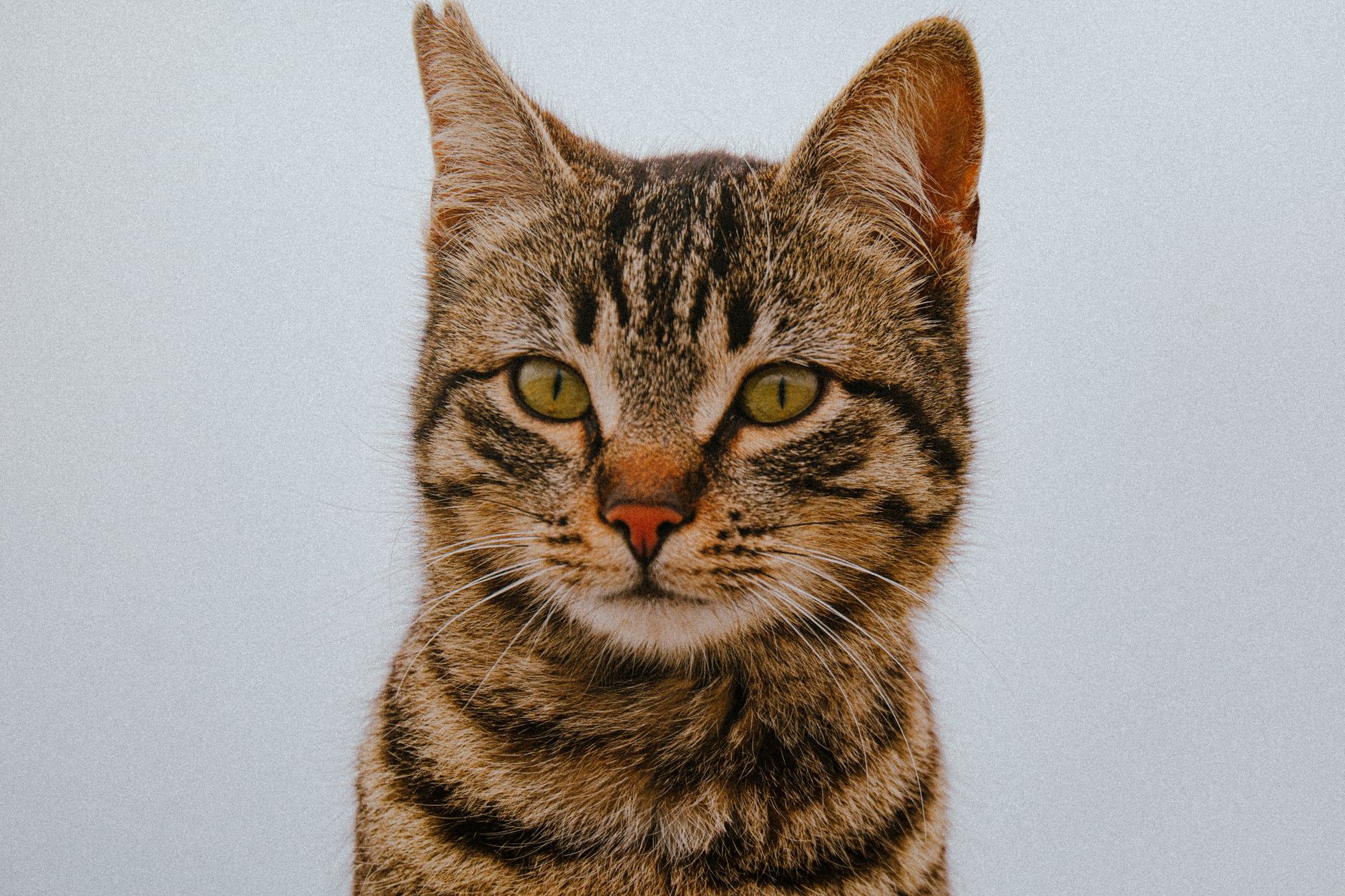
Cats feel like they’ve always been around.
They share our couches, judge our routines, and somehow act both wild and familiar at the same time. From a pawrent’s point of view, that raises a fascinating question:
When were cats domesticated—and how did that even happen?
The clear answer is this:
Cats were domesticated around 9,000–10,000 years ago, during the rise of early farming societies in the Near East.
And unlike dogs, they largely domesticated themselves.
The Quick Pawrent Answer (Right Away)
-
Cats were domesticated approximately 9,000–10,000 years ago
-
Domestication began in the Fertile Crescent
-
It happened alongside the rise of agriculture
-
Cats joined humans by choice—not force
Cats didn’t get tamed. They opted in.
What “Domesticated” Really Means for Cats
Domestication doesn’t mean:
-
Total dependence
-
Loss of wild instincts
-
Obedience
For cats, domestication means:
-
Tolerance of humans
-
Mutual benefit
-
Behavioral flexibility
Cats remain closer to their wild ancestors than most domesticated animals.
Before Domestication: Wildcats and Early Humans
The domestic cat descends from the African wildcat (Felis silvestris lybica).
These wildcats were:
-
Solitary
-
Skilled hunters
-
Naturally cautious
Early humans weren’t looking for pets—they were storing grain.
Agriculture Changed Everything
Around 10,000 years ago:
-
Humans began farming
-
Grain storage attracted rodents
-
Rodents attracted wildcats
Cats found an easy food source.
Humans found an effective pest control system.
A partnership formed.
The First Evidence of Cat Domestication
One of the strongest pieces of evidence comes from:
-
A 9,500-year-old burial in Cyprus
-
A human buried with a cat
Because cats are not native to Cyprus, humans must have brought them—intentionally.
This suggests an early bond, not mere tolerance.
Why Cats Domesticated Differently Than Dogs
Dogs were actively domesticated for:
-
Hunting
-
Protection
-
Herding
Cats weren’t trained.
They:
-
Approached human settlements voluntarily
-
Stayed if the environment suited them
-
Left if it didn’t
Domestication happened through natural selection, not control.
Genetics Support the Timeline
Genetic studies show:
-
Modern domestic cats share DNA with Near Eastern wildcats
-
Little genetic change compared to other domesticated species
This explains why cats:
-
Retain hunting instincts
-
Act independently
-
Adapt quickly to environments
They are semi-domesticated by design.
Ancient Egypt and the Rise of Cat Reverence
Cats gained cultural importance in Egypt around 4,000 years ago.
In ancient Egypt:
-
Cats were associated with the goddess Bastet
-
Killing a cat was a serious crime
-
Cats were mummified and honored
This period helped spread cats beyond the Near East.
How Cats Spread Across the World
Cats traveled with humans.
They spread through:
-
Trade routes
-
Ships and ports
-
Agricultural expansion
Sailors valued cats for rodent control, introducing them to:
-
Europe
-
Asia
-
Africa
Later, cats reached the Americas via explorers.
Why Cats Kept Their Independence
Because cats were never fully controlled:
-
Natural behaviors remained intact
-
Social flexibility stayed high
-
Self-reliance persisted
This is why modern cats:
-
Hunt even when fed
-
Choose affection on their terms
-
Maintain strong instincts
Domestication never erased the wild core.
When Cats Became Pets (Not Just Workers)
For much of history, cats were:
-
Working animals
-
Valued for pest control
The idea of cats as companions grew:
-
In medieval Europe
-
During the Victorian era
This shifted cats from barns to bedrooms.
Domestication vs Taming: An Important Difference
A tamed animal:
-
Is trained individually
A domesticated species:
-
Evolves over generations
Cats were domesticated gradually—not tamed one by one.
Why Cats Still Behave Like Wildcats
Domestic cats share:
-
95% of their DNA with wildcats
-
Similar hunting behaviors
-
Comparable social structures
This explains:
-
Zoomies
-
Kneading
-
Territorial behavior
You’re living with a small predator—by design.
How Domestication Shaped Cat Behavior (Lightly)
Domestication influenced:
-
Reduced fear of humans
-
Increased social tolerance
-
Adaptability to shared spaces
But cats never lost autonomy.
What This Means for Modern Pawrents
Understanding cat domestication helps explain why cats:
-
Don’t behave like dogs
-
Resist control
-
Choose independence
Cats didn’t evolve to serve—they evolved to coexist.
Why Cats “Feel” Ancient
There’s a reason cats feel timeless.
Their:
-
Body structure
-
Hunting style
-
Independence
Have changed very little in 10,000 years.
Pawrent Perspective: Living With a Living Fossil
From a pawrent’s point of view, owning a cat feels like:
-
Sharing space with history
-
Coexisting with something ancient
-
Being chosen daily
Cats didn’t forget their past—and they didn’t need to.
Final Pawrent Perspective: When Were Cats Domesticated?
Cats were domesticated about 9,000–10,000 years ago, when early humans began farming and wildcats chose to live alongside them.
They weren’t forced.
They weren’t trained.
They stayed—because it worked.
And that quiet, mutual agreement still defines the cat–human relationship today.