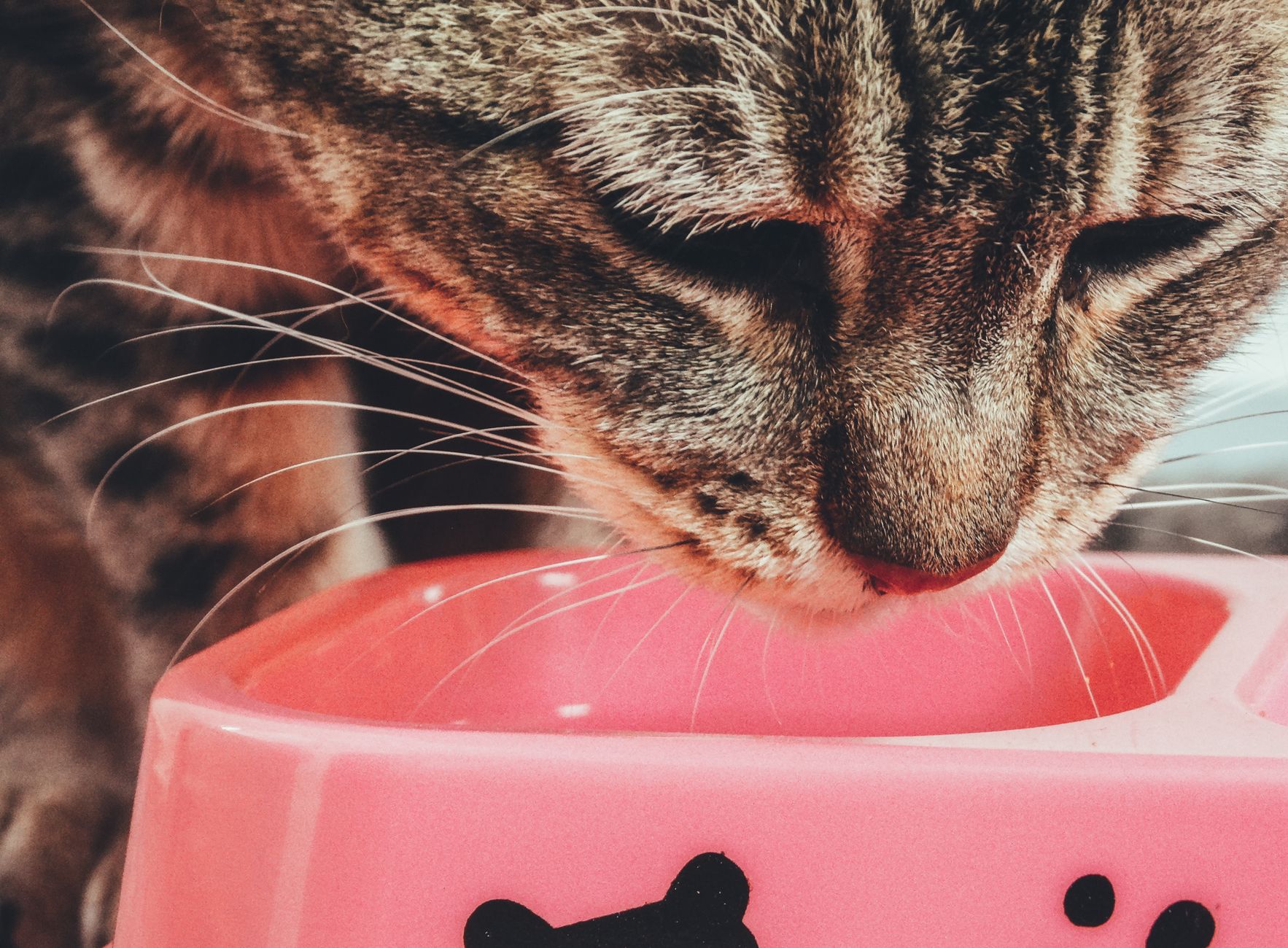
Cats eat meat-based diets that provide animal protein, fats, vitamins, and minerals. Cats are obligate carnivores, which means they must eat animal products to survive. Unlike omnivores, cats cannot thrive on plant-based foods alone.
Why Cats Are Obligate Carnivores
Cats depend on nutrients found only in animal tissue.
What Obligate Carnivore Means
- Cats require animal protein to survive
- Plant protein is nutritionally incomplete
- Meat supplies essential amino acids
Key Nutrients Cats Must Eat
Cats need specific nutrients that plants cannot provide.
Essential Nutrients for Cats
- Taurine
- Arachidonic acid
- Vitamin A (preformed)
What Do Cats Eat in the Wild?
Wild and feral cats eat whole prey.
Natural Prey Items
- Small rodents
- Birds
- Insects and reptiles
What Nutrients Cats Get From Prey
Whole prey provides balanced nutrition.
Prey-Based Nutrition
- Muscle meat for protein
- Organs for vitamins
- Bones for minerals
What Do Domestic Cats Eat?
Domestic cats eat commercial cat food or home-prepared diets.
Main Food Options
- Dry cat food (kibble)
- Wet cat food (canned or pouch)
- Fresh or raw diets
Dry Cat Food Explained
Dry food is convenient and shelf-stable.
Benefits of Dry Cat Food
- Long shelf life
- Cost-effective
- Easy portion control
Drawbacks of Dry Cat Food
Dry food has limitations.
Potential Issues
- Low moisture content
- Higher carbohydrate levels
- Risk of dehydration
Wet Cat Food Explained
Wet food closely mimics natural prey moisture.
Benefits of Wet Food
- High water content
- Better urinary health
- Higher palatability
Wet Food vs Dry Food for Cats
Both can be nutritionally complete.
Comparison Factors
- Hydration level
- Calorie density
- Dental impact
Is a Mixed Diet Good for Cats?
Many cats benefit from mixed feeding.
Advantages of Mixing
- Improved hydration
- Dietary variety
- Flexible feeding schedule
What Do Kittens Eat?
Kittens have different nutritional needs.
Kitten Diet Stages
- Birth to 4 weeks: mother’s milk or formula
- 4–8 weeks: weaning foods
- 2–12 months: kitten-specific food
Why Kittens Need Special Food
Kittens grow rapidly.
Kitten Nutrition Requirements
- Higher protein
- More calories
- Increased calcium and phosphorus
What Do Adult Cats Eat?
Adult cats require maintenance diets.
Adult Cat Diet Features
- Balanced protein and fat
- Controlled calories
- Complete vitamins and minerals
What Do Senior Cats Eat?
Senior cats need age-adjusted nutrition.
Senior Diet Considerations
- Easily digestible protein
- Joint-support nutrients
- Kidney-friendly formulations
How Often Should Cats Eat?
Cats eat small meals throughout the day.
Feeding Frequency
- Kittens: 3–4 meals daily
- Adults: 2 meals daily
- Free feeding: depends on the cat
How Much Should Cats Eat?
Portion size depends on weight and activity.
Key Factors
- Body weight
- Age
- Energy level
What Human Foods Can Cats Eat?
Some human foods are safe in small amounts.
Safe Human Foods
- Cooked chicken (plain)
- Cooked turkey
- Cooked eggs
Human Foods Cats Should Never Eat
Many foods are toxic to cats.
Dangerous Foods
- Onions and garlic
- Chocolate
- Grapes and raisins
Can Cats Eat Fish?
Fish can be an occasional treat.
Fish Feeding Guidelines
- Cooked only
- No bones
- Not a daily staple
Can Cats Drink Milk?
Most adult cats are lactose intolerant.
Milk-Related Issues
- Digestive upset
- Diarrhea
- Gas and discomfort
Do Cats Need Water If They Eat Wet Food?
Yes, cats always need access to water.
Hydration Needs
- Supports kidney health
- Aids digestion
- Prevents urinary problems
Raw Diets for Cats
Raw diets aim to mimic natural prey.
Raw Diet Components
- Raw muscle meat
- Organs
- Ground bone or supplements
Risks of Raw Feeding
Raw diets require careful planning.
Potential Risks
- Bacterial contamination
- Nutritional imbalances
- Food safety concerns
Vegetarian or Vegan Diets for Cats
Plant-based diets are unsafe for cats.
Why Cats Cannot Be Vegan
- Lack of taurine
- Vitamin A deficiency
- Protein inadequacy
Do Cats Eat Grass?
Many cats chew grass occasionally.
Reasons Cats Eat Grass
- Aids digestion
- Helps expel hairballs
- Instinctive behavior
Treats and Snacks for Cats
Treats should be limited.
Treat Guidelines
- No more than 10% of daily calories
- Protein-based treats preferred
- Avoid sugary treats
How Diet Affects Cat Health
Nutrition impacts the entire body.
Health Areas Affected
- Coat and skin quality
- Weight management
- Urinary health
Signs a Cat Is Not Eating Properly
Diet problems show visible signs.
Warning Signs
- Weight loss or gain
- Dull coat
- Lethargy
When to Change a Cat’s Diet
Diet changes should be gradual.
Common Reasons to Change Food
- Life stage transition
- Medical conditions
- Food intolerance
How to Transition Cat Food Safely
Sudden changes cause digestive upset.
Transition Steps
- Mix new food with old food
- Increase new food over 7–10 days
- Monitor stool and appetite
Common Myths About Cat Diets
Misinformation is widespread.
Diet Myths
- Cats can eat dog food
- Cats need carbohydrates
- Table scraps are harmless
When to Talk to a Veterinarian
Professional advice ensures balanced nutrition.
Vet Consultation Is Needed If
- Your cat has chronic illness
- Weight changes suddenly
- You plan a homemade diet
Final Takeaways
Cats eat meat-based diets designed for obligate carnivores. Whether fed wet, dry, or carefully prepared fresh food, cats require animal protein and specific nutrients to stay healthy. Avoid unsafe human foods, ensure constant access to water, and choose diets appropriate for your cat’s age and health.