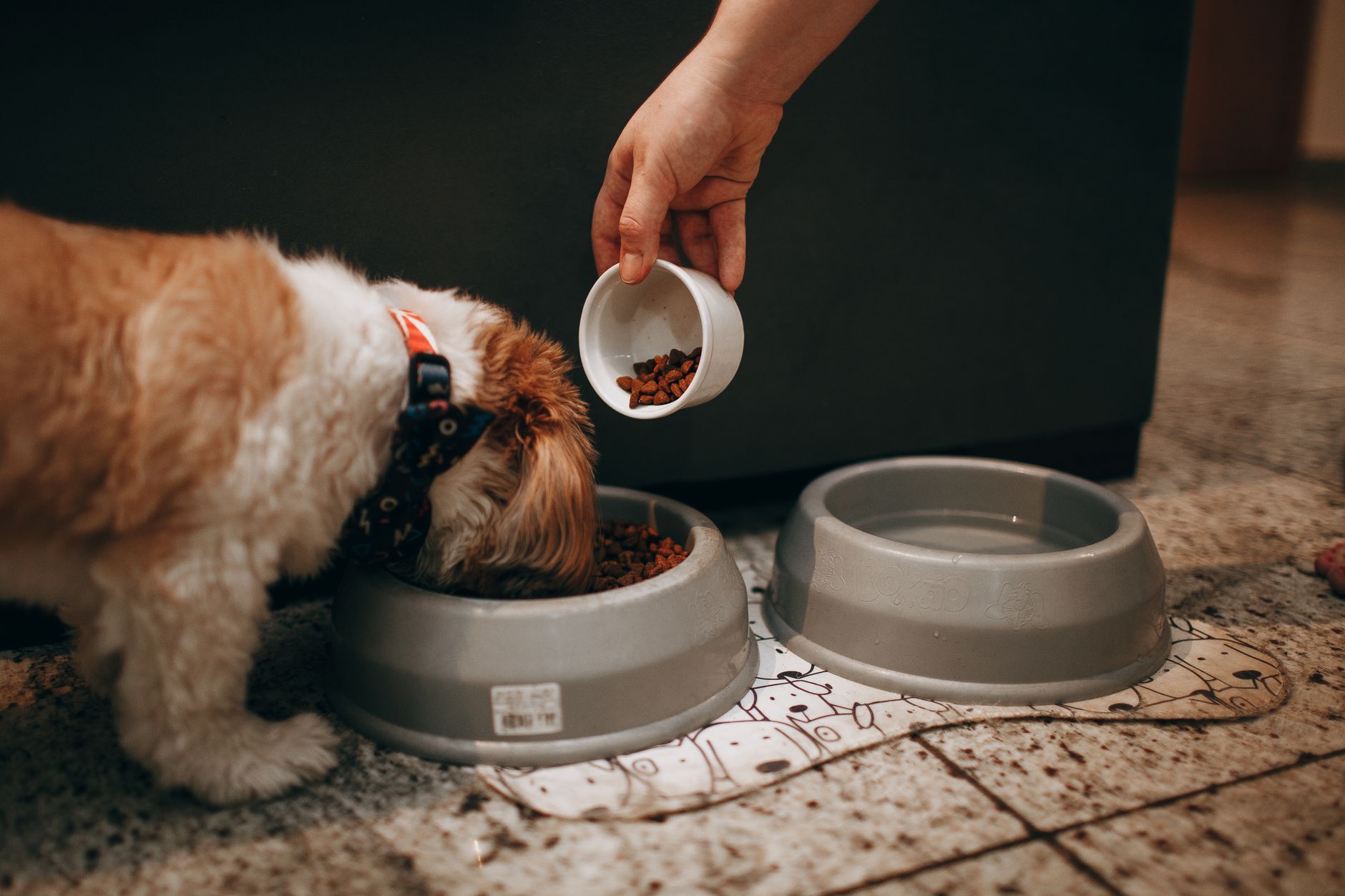
A healthy dog diet is not simply about filling a bowl with food. Dogs need a balanced combination of nutrients to support energy levels, muscle function, digestion, and overall health. While commercial dog food is designed to meet many of these needs, many owners also wonder which human foods are safe to share with their pets.
Knowing what dogs eat and how different foods affect their bodies helps prevent nutritional mistakes. Some foods can provide useful nutrients as occasional treats, while others may cause digestive problems or serious health risks.
The Foundation of a Dog’s Daily Nutrition
Most dogs require a diet that contains the right balance of protein, fats, carbohydrates, vitamins, minerals, and water. The exact nutritional needs depend on factors such as age, size, activity level, breed, and health condition.
| Nutrient | Purpose in a Dog’s Body | Common Sources |
|---|---|---|
| Protein | Supports muscle development, tissue repair, and immune function. | Meat, fish, eggs, and formulated dog foods. |
| Fat | Provides concentrated energy and supports healthy skin and coat. | Animal fats and specific plant-based oils. |
| Carbohydrates | Provide energy and can support digestive health when properly prepared. | Rice, vegetables, and grains. |
| Vitamins and minerals | Help maintain bones, organs, metabolism, and body functions. | Balanced diets and selected fresh foods. |
Human Foods That Dogs Can Eat
Some human foods are suitable for dogs when prepared correctly and offered in moderation. These foods should not replace a complete canine diet but can be used as occasional additions or rewards.
Lean Protein Sources
Plain cooked meats can be useful sources of protein. Chicken, turkey, beef, and fish are commonly given to dogs when they are prepared without seasoning, sauces, onions, garlic, or excessive oil.
Eggs can also provide protein and nutrients when cooked thoroughly. However, treats should remain appropriate for the dog’s overall calorie needs.
Dog-Safe Fruits
Some fruits can be healthy snacks because they contain water, fiber, and natural nutrients. Examples include:
- Apples: Provide fiber and vitamins, but seeds and the core should be removed.
- Blueberries: Can be offered in small amounts as a treat.
- Bananas: Provide nutrients but contain natural sugar, so portions should be limited.
- Watermelon: Can provide hydration when seeds and rind are removed.
Vegetables Suitable for Many Dogs
Certain vegetables can add variety to a dog’s treats. Carrots, green beans, pumpkin, and sweet potatoes are examples of foods commonly used for dogs when prepared without added salt, butter, or seasoning.
Foods Dogs Should Not Eat
A dog’s digestive system is different from a human’s, and some common foods can be toxic or dangerous. Owners should avoid giving dogs foods such as:
- Chocolate: Contains compounds that can affect a dog’s nervous system and heart.
- Grapes and raisins: Have been associated with serious kidney problems in dogs.
- Onions and garlic: May damage red blood cells.
- Xylitol: An artificial sweetener that can cause dangerous drops in blood sugar.
- Alcohol: Can be highly toxic to dogs.
- Macadamia nuts: Can cause illness in dogs.
Why Portion Size Matters
Even safe foods can become unhealthy when given too often. Treats and additional foods should only make up a limited part of a dog’s daily intake. Excess calories can contribute to weight gain, while sudden diet changes may lead to vomiting, diarrhea, or digestive discomfort.
Small dogs are particularly sensitive because even a small amount of certain foods can represent a larger dose relative to their body size. Owners should consider the dog’s weight and health condition before introducing new foods.
Puppies, Adult Dogs, and Senior Dogs Have Different Needs
A dog’s nutritional requirements change throughout life. Puppies need diets that support growth and development, while adult dogs generally require maintenance nutrition. Older dogs may need adjustments based on activity levels and health concerns.
Feeding a dog the same way throughout every life stage may not always provide the right nutritional balance. A veterinarian can help determine whether dietary changes are needed.
How to Introduce New Foods Safely
When adding a new food to a dog’s diet, gradual introduction is usually safer than making sudden changes. Monitoring the dog afterward can help identify possible reactions.
- Introduce only one new food at a time.
- Start with a small portion.
- Watch for signs of digestive problems or allergies.
- Stop giving the food if unusual symptoms appear.
Building a Healthy Feeding Routine
The best diet for a dog is one that consistently provides complete nutrition while matching the animal’s individual needs. Safe treats can add variety, but they should complement—not replace—a balanced feeding plan.
Understanding what dogs eat, what foods are beneficial, and what foods should be avoided allows owners to make better decisions and support their pets’ long-term health.