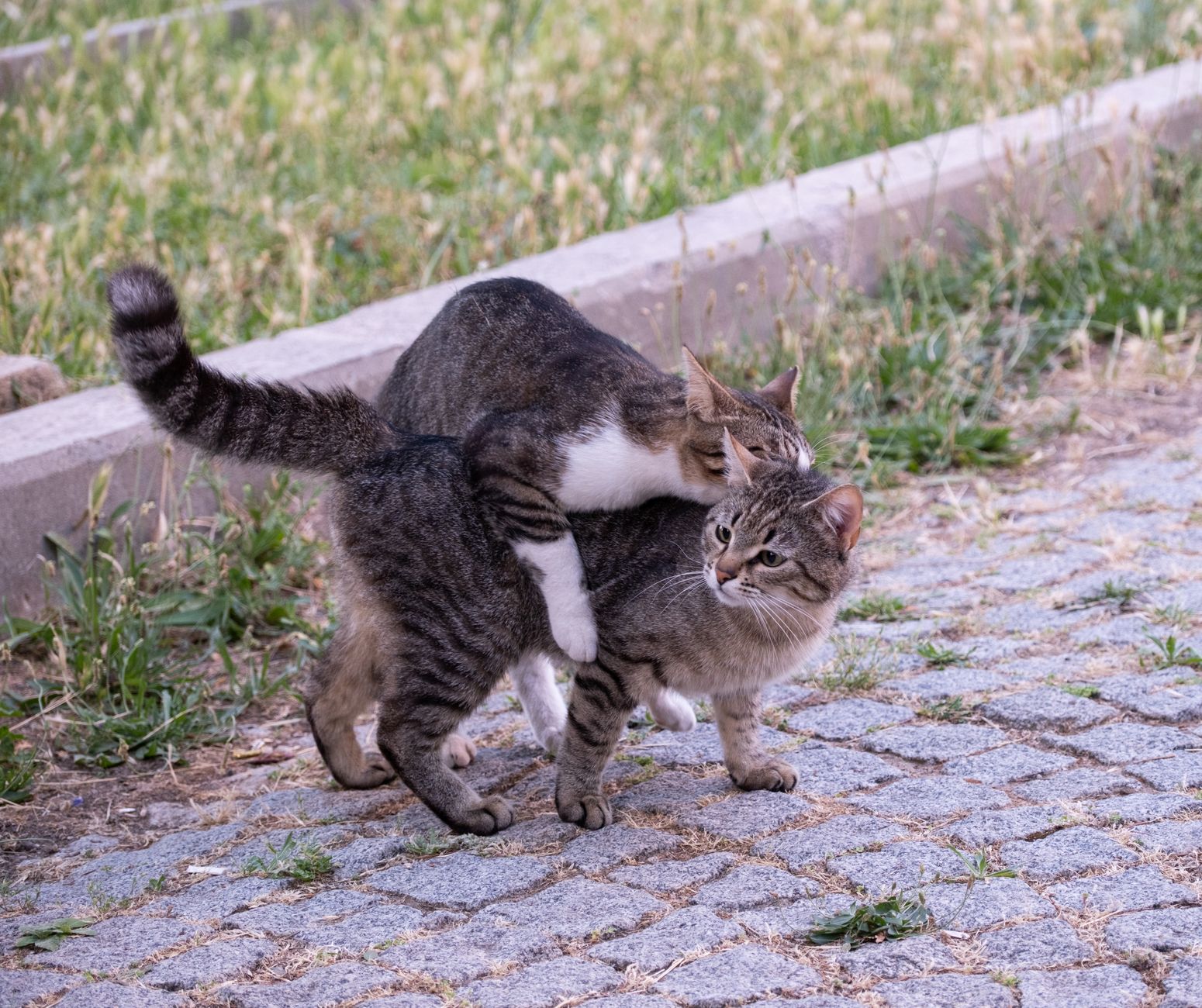
Female cats usually go into heat every 2 to 3 weeks during the breeding season if they do not become pregnant. This frequent cycling can continue from early spring through fall, especially in indoor cats exposed to artificial light.
Quick Answer Summary
Most unspayed female cats cycle multiple times per month.
Heat Frequency Overview
- Every 2–3 weeks during breeding season
- Less frequent in winter
- May appear continuous in indoor cats
What Does “Going Into Heat” Mean?
Going into heat means a female cat enters estrus. Estrus is the fertile stage of the reproductive cycle when a cat can become pregnant.
Heat Cycle Basics
- Hormones trigger ovary activity
- Cat becomes receptive to mating
- Pregnancy becomes possible
Why Cats Go Into Heat So Often
Cats are biologically designed for frequent reproduction.
Evolutionary Reasons
- Short gestation period (about 63 days)
- High kitten survival through multiple litters
- Seasonal breeding strategy
Average Heat Cycle Frequency
Most cats cycle every 14 to 21 days.
Typical Cycle Intervals
- Shortest interval: about 10 days
- Average interval: 2–3 weeks
- Longest interval: up to 4 weeks
What Happens Between Heat Cycles?
The break between heats is called interestrus.
Interestrus Phase
- Hormones temporarily decrease
- Behavior returns to normal
- Next cycle begins soon after
How Long Is the Break Between Heats?
The break usually lasts 1 to 3 weeks.
Break Duration Factors
- Time of year
- Exposure to male cats
- Individual hormone levels
Seasonal Effects on Heat Frequency
Cats are seasonally polyestrous.
Seasonal Heat Patterns
- Spring and summer: frequent cycles
- Fall: gradually fewer cycles
- Winter: minimal or no cycles
Indoor Cats vs Outdoor Cats
Indoor cats often cycle more frequently.
Indoor vs Outdoor Differences
- Indoor cats experience artificial daylight
- Outdoor cats follow natural seasons
- Indoor cats may cycle year-round
How Artificial Light Affects Heat Cycles
Light exposure directly affects reproductive hormones.
Lighting Effects
- Longer daylight stimulates estrus
- Indoor lighting mimics summer conditions
- Cycles occur more frequently
Does Breed Affect Heat Frequency?
Breed influences how often cats cycle.
Breed Differences
- Oriental breeds cycle more frequently
- Large breeds cycle less often
- Mixed breeds vary widely
Breeds Known for Frequent Heat Cycles
Some breeds mature earlier and cycle often.
High-Frequency Breeds
- Siamese
- Burmese
- Oriental Shorthair
Breeds That Cycle Less Frequently
Larger, slow-maturing breeds cycle less often.
Lower-Frequency Breeds
- Maine Coon
- Ragdoll
- Norwegian Forest Cat
How Age Affects Heat Frequency
Heat frequency changes with age.
Age-Based Differences
- Young cats cycle more often
- Middle-aged cats cycle consistently
- Senior cats may cycle less frequently
How Body Weight Influences Heat Cycles
Body condition affects hormone regulation.
Weight Factors
- Underweight cats cycle less often
- Healthy weight supports regular cycles
- Obesity may disrupt cycles
Do Cats Go Into Heat After Giving Birth?
Yes, cats can return to heat quickly after birth.
Post-Birth Heat Timing
- As soon as 2–3 weeks postpartum
- Even while nursing kittens
- High risk of repeat pregnancy
Can Cats Be in Heat While Nursing?
Yes, nursing does not prevent heat.
Nursing and Heat
- Hormones resume cycling quickly
- Pregnancy is possible
- Spaying is recommended after weaning
Do Male Cats Affect How Often Females Go Into Heat?
Male presence can increase cycling frequency.
Male Influence
- Pheromones stimulate estrus
- Heat behaviors intensify
- Cycles may shorten
What Happens If a Cat Mates?
Mating triggers ovulation.
After Mating
- Ovulation occurs within 24–48 hours
- Heat stops early
- Pregnancy may begin
How Mating Changes Heat Frequency
Pregnancy pauses heat cycles.
Pregnancy Effects
- No heat during gestation
- Cycles resume after birth
- Frequent breeding without spaying increases risk
Can Cats Go Into Heat Back-to-Back?
Yes, cycles can appear continuous.
Back-to-Back Heat Reasons
- Short interestrus periods
- No ovulation occurs
- Indoor environmental conditions
Health Risks of Frequent Heat Cycles
Repeated cycling affects long-term health.
Health Concerns
- Stress and exhaustion
- Uterine infections
- Mammary tumors
Behavior Problems Linked to Frequent Heat
Frequent heat causes behavioral stress.
Common Behavior Issues
- Constant vocalization
- Escape attempts
- Urine spraying
How to Manage Frequent Heat Cycles
Only spaying stops heat permanently.
Management Options
- Strict indoor confinement
- Environmental enrichment
- Veterinary consultation
Why Spaying Stops Heat Cycles Completely
Spaying removes hormone-producing organs.
Spaying Benefits
- Eliminates estrus
- Prevents pregnancy
- Improves long-term health
Best Time to Spay a Cat
Most veterinarians recommend spaying before first heat.
Recommended Spay Timing
- 4–5 months of age
- Before sexual maturity
- Before frequent cycling begins
Can a Cat Be Spayed While in Heat?
Yes, but risks are slightly higher.
Spaying During Heat
- Increased blood flow
- More complex surgery
- Some vets delay surgery
Common Myths About Heat Frequency
Many misconceptions exist.
Myths Explained
- Cats go into heat once a year
- Cats need to mate to stop heat
- Heat cycles are harmless
When to Talk to a Veterinarian
Vet advice ensures health and safety.
Consult a Vet If
- Heat cycles seem nonstop
- Behavior becomes extreme
- You want spay timing guidance
Final Takeaways
Female cats typically go into heat every 2 to 3 weeks during breeding season if they do not become pregnant. Indoor living, artificial light, and lack of spaying can cause frequent or near-continuous cycles. Spaying is the only permanent solution to stop heat cycles and protect your cat’s long-term health.