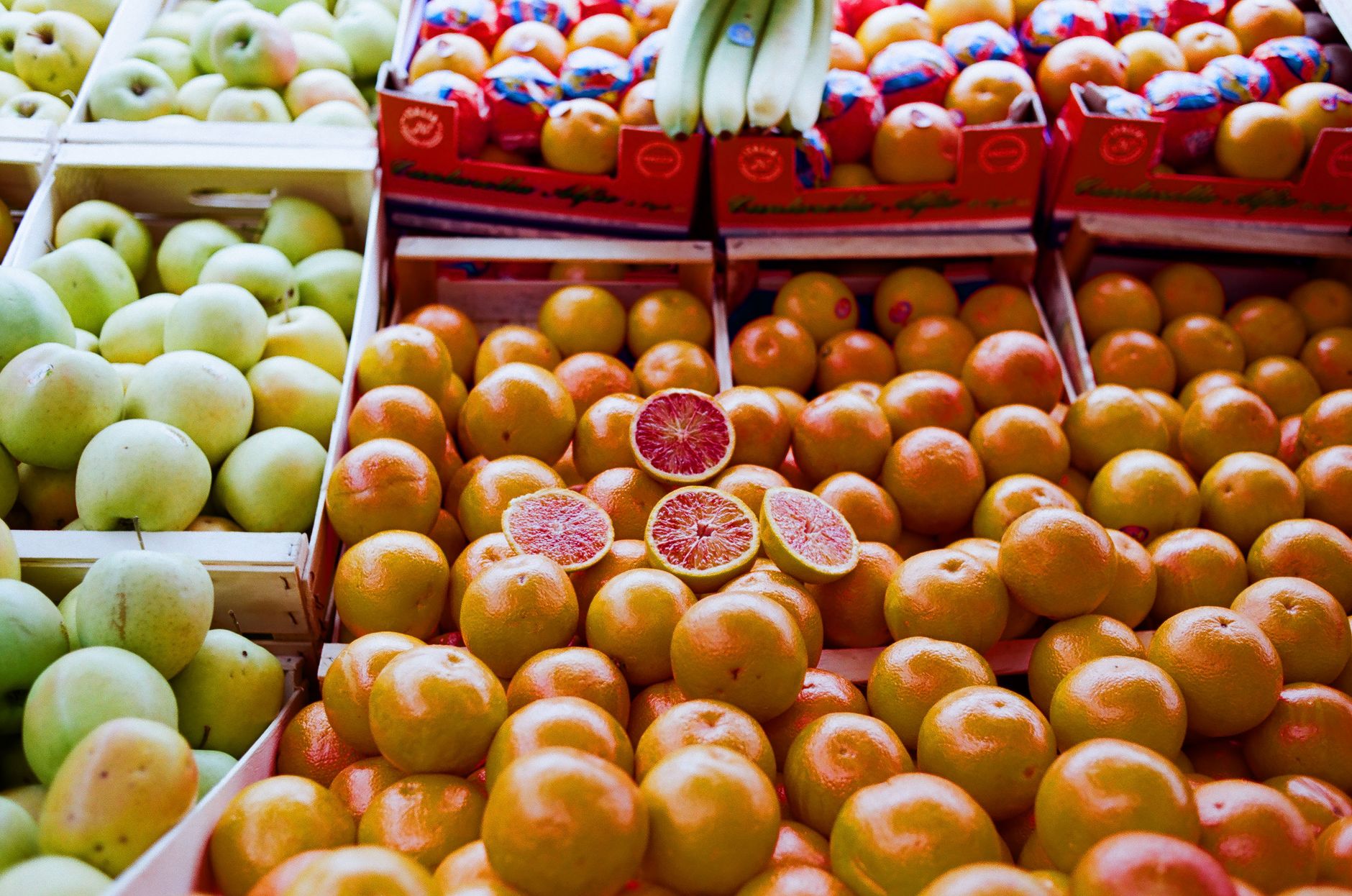
Grapefruit may seem like a healthy snack because it is rich in vitamins and antioxidants, but that does not mean it is suitable for dogs. While small amounts of some fruits can be safe for pets, grapefruit presents several concerns that make it a poor choice for most dogs.
The main issue is not only the fruit’s acidity and bitterness but also the possibility of digestive upset and problems caused by certain parts of the fruit. Dog owners should understand the risks before offering grapefruit as a treat.
Is Grapefruit Safe for Dogs?
Grapefruit is generally not recommended as a food for dogs. The flesh itself is not considered highly toxic in the same way as some dangerous foods, but it can still cause problems because dogs do not process all human foods in the same way people do.
Many dogs may experience stomach irritation after eating grapefruit because of its acidic nature. The fruit’s strong bitter flavor also means that most dogs do not naturally prefer it compared with safer fruit options.
Potential Problems With Feeding Grapefruit to Dogs
Several factors make grapefruit a questionable choice for canine diets.
| Concern | Why It Matters |
|---|---|
| High acidity | May irritate a dog’s digestive system and cause stomach discomfort. |
| Bitter compounds | Can make the fruit unpleasant and may contribute to digestive sensitivity. |
| Peel and seeds | Can be difficult to digest and may create additional health risks. |
| Sugar content | Like many fruits, grapefruit contains natural sugars that should be limited. |
Which Parts of Grapefruit Should Dogs Avoid?
If a dog encounters grapefruit, the safest approach is to prevent access to the entire fruit, especially the non-edible parts.
- Grapefruit peel: The peel is tough, difficult to digest, and may cause gastrointestinal irritation.
- Seeds: Seeds should not be consumed because they can be a choking hazard and may cause digestive issues.
- Large amounts of fruit flesh: Eating too much may lead to vomiting, diarrhea, or stomach discomfort.
What Happens If a Dog Eats Grapefruit?
A small accidental bite of grapefruit flesh may not cause serious problems for many dogs, but owners should still monitor their pets for signs of discomfort.
Possible symptoms after eating grapefruit can include:
- Vomiting
- Diarrhea
- Drooling
- Reduced appetite
- Signs of stomach pain or discomfort
The severity of a reaction can depend on factors such as the dog’s size, the amount eaten, and whether the dog consumed the peel or seeds.
Healthier Fruit Alternatives for Dogs
Dogs can enjoy many fruits that are generally considered safer when prepared properly and given in moderation. These options may provide nutritional benefits without the same concerns associated with grapefruit.
- Blueberries: Small, antioxidant-rich treats that are easy to serve.
- Apples: Safe when seeds and the core are removed.
- Watermelon: Can provide hydration when seeds and rind are removed.
- Bananas: A soft fruit option that should still be given in limited amounts due to natural sugar.
Why Human Foods Require Careful Consideration
Dogs and humans have different nutritional needs. A food that is healthy for people is not automatically appropriate for pets. Factors such as digestion, portion size, and specific health conditions all influence whether a food belongs in a dog’s diet.
Treats, including fruit, should only make up a small part of a dog’s overall nutrition. A complete and balanced dog food should remain the foundation of daily feeding.
Final Advice for Dog Owners
Grapefruit is best avoided as a regular treat for dogs. Although a small accidental amount of fruit flesh may not always lead to serious consequences, the potential for digestive problems and the risks associated with the peel and seeds make it an unnecessary choice.
When sharing human foods with dogs, choosing pet-safe options and introducing new foods gradually is the better approach. If a dog eats a large amount of grapefruit or develops unusual symptoms, contacting a veterinarian is the safest step.