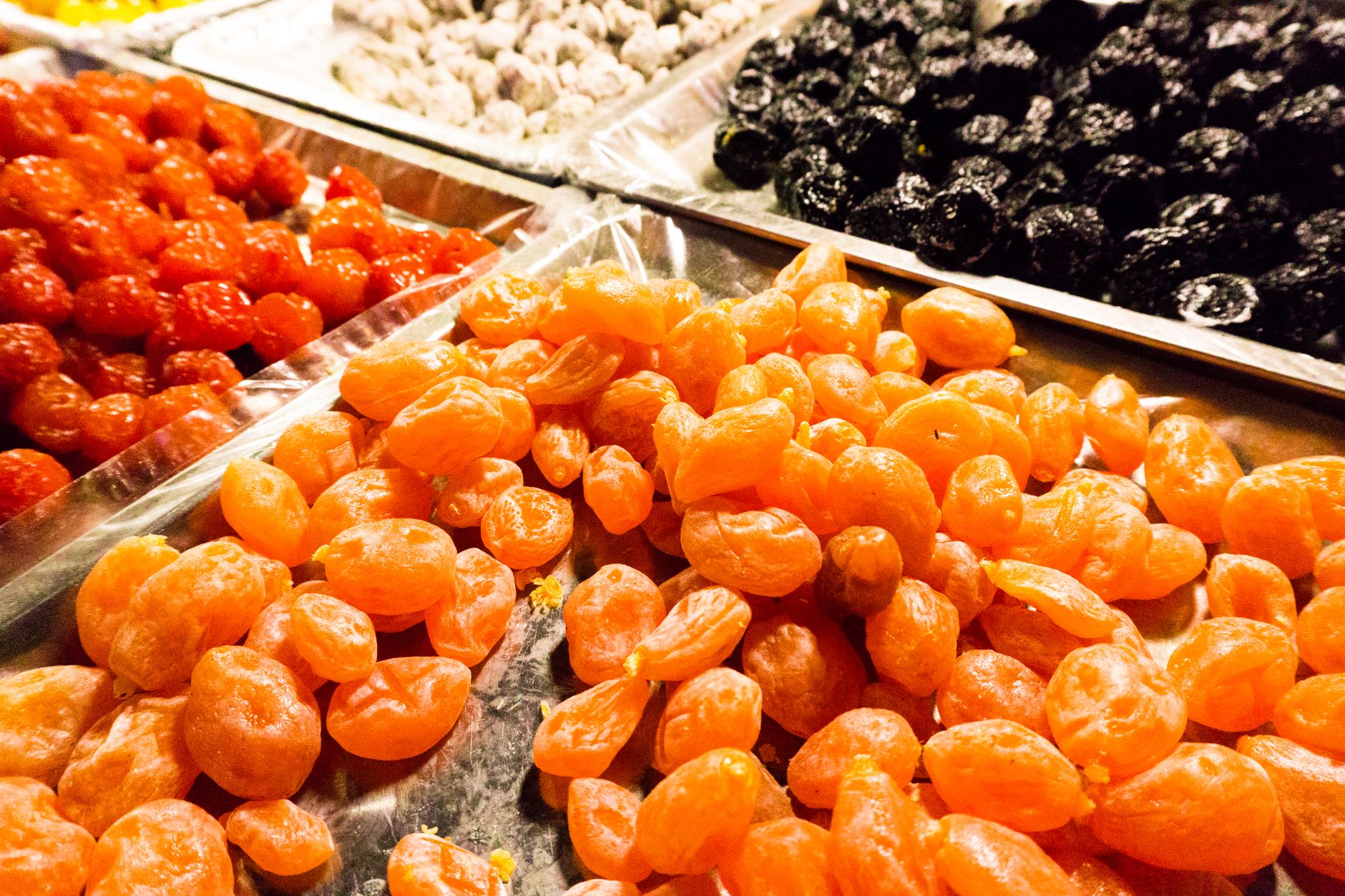
Prunes may be a healthy food choice for humans because they contain fiber and nutrients, but that does not automatically make them a suitable treat for dogs. While small amounts of some dried fruits may not immediately cause problems, prunes come with several concerns that dog owners should consider before offering them.
The main issues involve digestion, sugar content, and the possibility of ingredients or parts of the fruit creating health risks. Knowing these factors can help owners make safer decisions about treats.
Dogs Can Eat Small Amounts of Plain Prune Flesh, but It Is Not an Ideal Treat
Prunes are simply dried plums, meaning they contain concentrated amounts of natural sugar and fiber compared with fresh fruit. A small piece of plain prune flesh may not be toxic to most healthy dogs, but it is generally not considered one of the best regular treats for pets.
Dogs have different nutritional needs from humans, and treats should only make up a limited portion of their overall diet. Foods that are high in sugar or difficult to digest may create unnecessary problems, especially when given frequently.
Why Prunes May Cause Digestive Problems in Dogs
The high fiber content that makes prunes useful for human digestion can have a different effect on dogs. Some dogs may experience stomach upset after eating dried fruit, particularly if they are not used to it.
Possible digestive reactions include:
- Diarrhea.
- Gas or bloating.
- Stomach discomfort.
- Vomiting.
- Changes in appetite.
Smaller dogs and dogs with sensitive stomachs may be more likely to experience problems because even a small amount can represent a larger portion of their diet.
The Sugar Content Is Another Reason to Be Careful
Drying fruit removes water while leaving behind concentrated sugars. As a result, prunes contain more sugar per bite than fresh plums.
Too many sugary treats may contribute to unhealthy weight gain and can be especially unsuitable for dogs with certain health conditions, including those that require careful management of blood sugar levels.
Prune Pits and Processed Products Create Additional Risks
Whole plums and some prune products may contain pits or pit fragments. These should never be given to dogs because they can create choking hazards or digestive blockages.
Owners should also avoid prune products made for humans, such as sweetened prune snacks, baked goods, or juices. These products may contain added sugar, preservatives, or other ingredients that are unnecessary or potentially harmful for dogs.
What Happens If a Dog Eats Prunes Accidentally?
If a dog eats a small amount of plain prune without pits, it may only experience mild digestive discomfort, depending on its size and sensitivity. However, larger amounts or products containing pits require closer attention.
Contact a veterinarian if your dog shows signs such as:
- Repeated vomiting.
- Persistent diarrhea.
- Abdominal pain.
- Extreme tiredness.
- Difficulty passing stool.
- Loss of appetite.
Safer Fruit Options for Dogs
If you want to offer fruit as an occasional treat, some options are generally considered easier for dogs to handle when prepared properly.
| Fruit | Safety Consideration |
|---|---|
| Blueberries | Small portions are often used as a low-calorie treat. |
| Apple | Remove seeds and the core before serving. |
| Carrots | Often used as a crunchy snack option for dogs. |
| Grapes | Should be avoided because they can be dangerous for dogs. |
The Better Choice: Treats Designed for Dogs
While sharing human foods with pets can be tempting, the safest treats are usually those formulated specifically for dogs. These products are designed around canine nutritional requirements and reduce the uncertainty associated with human foods.
Prunes are not considered a recommended snack for dogs because the potential digestive issues and high sugar content outweigh the benefits. If a dog receives a small accidental piece, monitoring is usually more important than immediate panic, but regular feeding should be avoided.
Final Consideration for Dog Owners
A food being healthy for people does not always mean it is appropriate for dogs. Prunes illustrate why pet owners need to consider differences in digestion, portion size, and ingredients before introducing new foods.
When choosing treats, prioritize foods that support your dog’s health rather than simply sharing whatever is available from the human kitchen.